No Case Too Small: How Chip ’n Dale Became TV’s Tiniest Big-Time Detectives
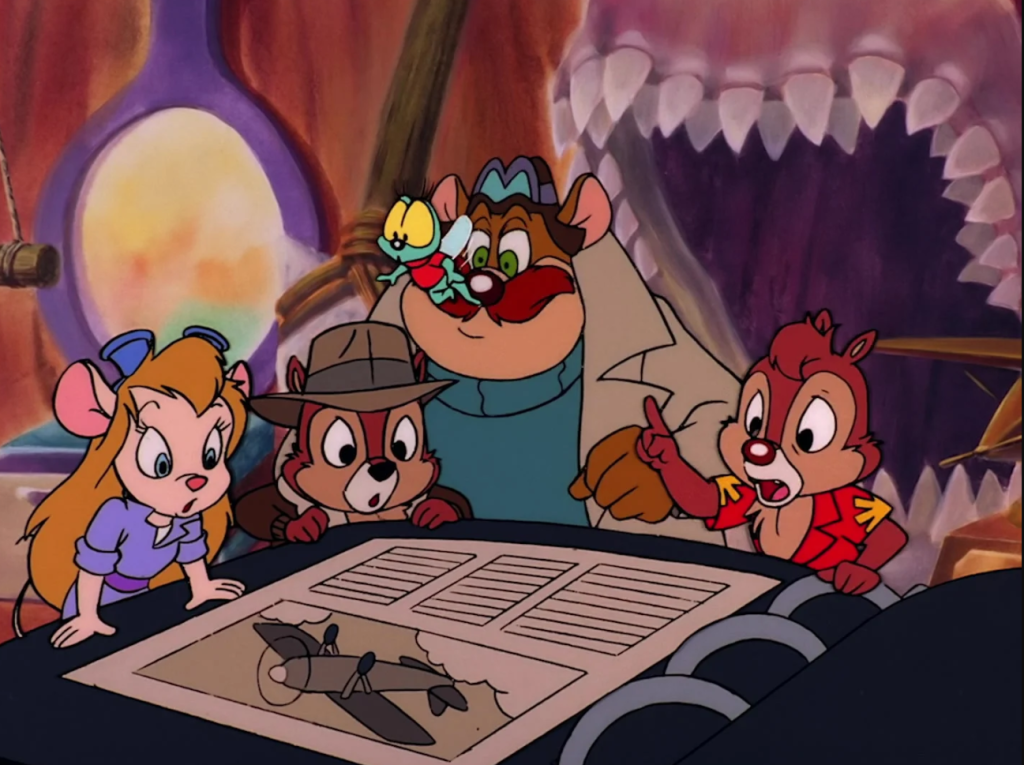
Before they were solving mysteries in Hawaiian shirts and bomber jackets, Chip and Dale were already Disney veterans, causing chaos in classic animated shorts. But by the late 1980s, Disney television animation was looking for its next big afternoon hit. DuckTales had proven that kids would race home for high-quality animated adventures, and Disney wanted another show that could capture that same magic. Out of that search came an idea that was not originally built around Chip and Dale at all. Early concepts reportedly centered on a mouse adventurer named Kit Colby before Disney reshaped the project around the already beloved chipmunk duo.
And just like that, two familiar troublemakers got promoted from backyard pests to full-blown heroes.
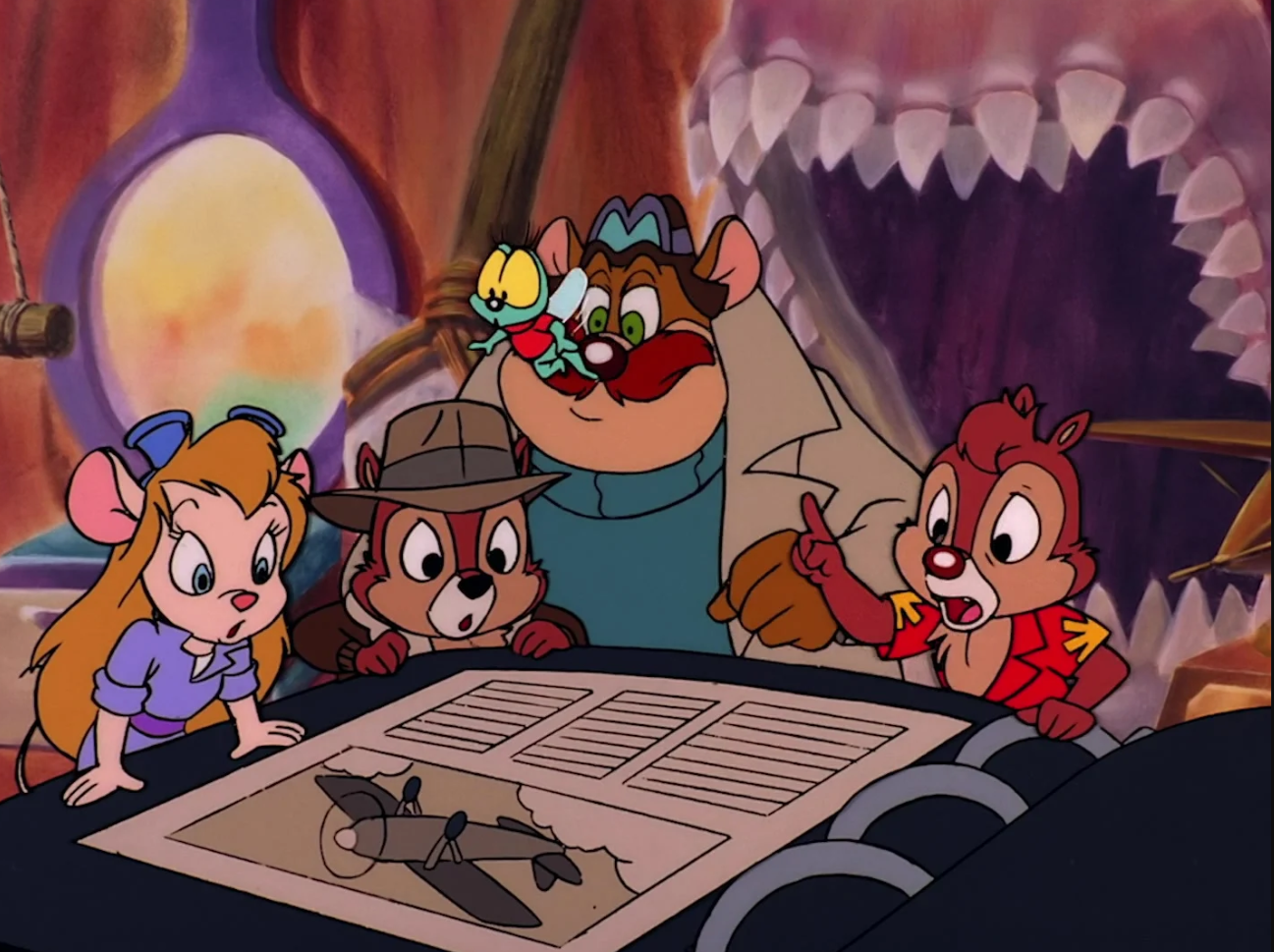
Chip ’n Dale: Rescue Rangers gave the pair a fresh mission: run a tiny detective agency that handled the cases humans were too big, too busy, or too clueless to notice. Chip became the serious leader in his Indiana Jones-style jacket, while Dale brought the wisecracks, mischief, and that unforgettable red Hawaiian shirt. They were joined by a team that quickly became just as memorable: Gadget Hackwrench, the brilliant inventor; Monterey Jack, the cheese-loving adventurer; and Zipper, the tiny fly with big courage.
The show premiered in 1989 and soon became part of the golden age of Disney afternoon television, airing alongside favorites like DuckTales, TaleSpin, and later Darkwing Duck. Its 65-episode run gave kids exactly what they wanted after school: mystery, comedy, danger, gadgets, goofy villains, and a theme song that practically demanded you sing along.
What made Rescue Rangers work was its sense of scale. A leaky pipe could become a waterfall. A toy car could become a getaway vehicle. A house cat like Fat Cat could feel like a criminal mastermind. The world was familiar, but through the Rangers’ eyes, everything became bigger, stranger, and more exciting.
The series succeeded because it blended nostalgia with reinvention. Parents recognized Chip and Dale, while kids discovered them as action heroes. It had humor, heart, and a team dynamic that made every episode feel like a miniature adventure movie. Decades later, fans still remember the characters, the theme song, and that special feeling of tuning in when cartoons made weekday afternoons feel like an event.